
What a Tune-Up Means on a Modern Engine
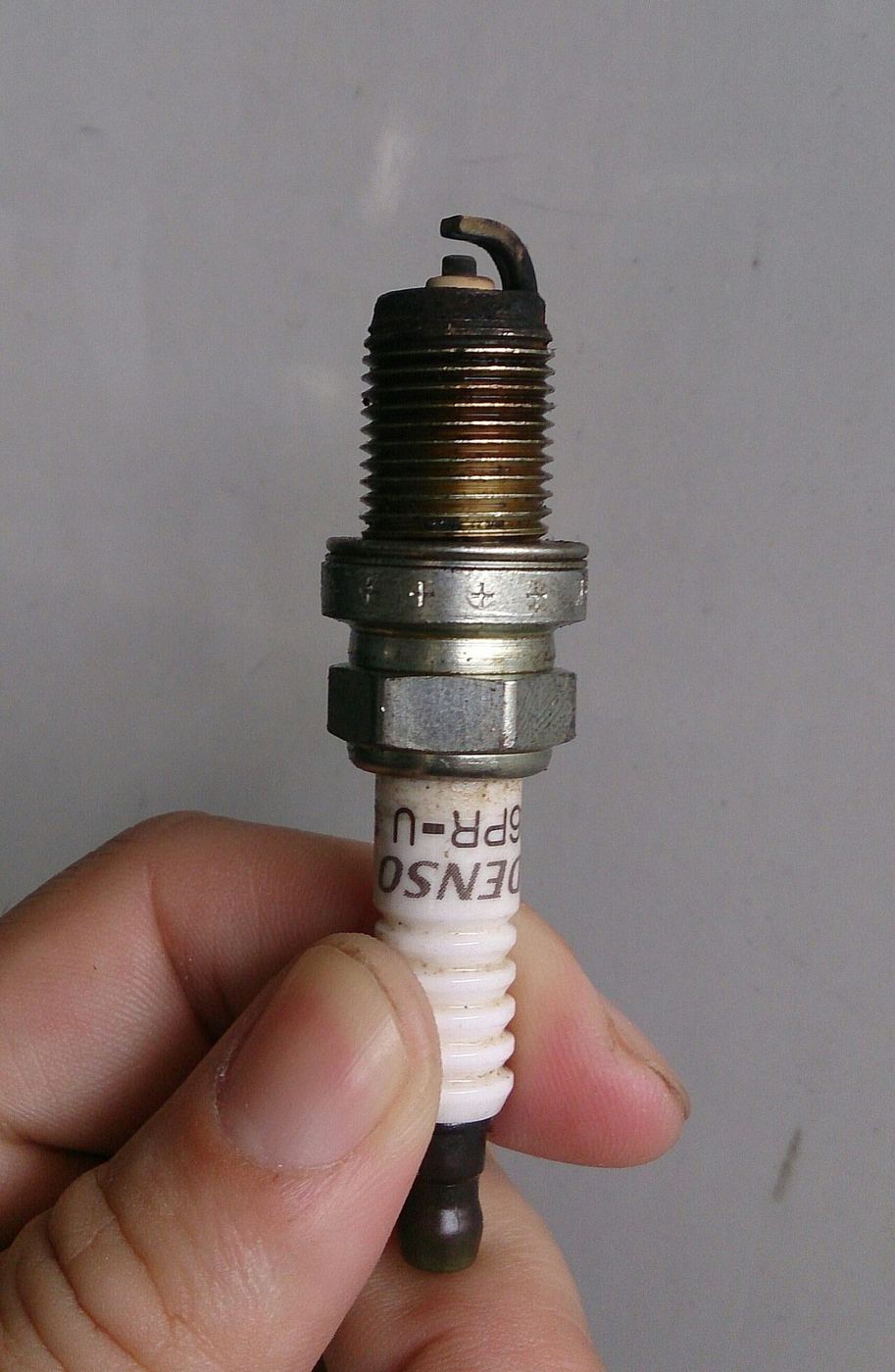
Tune-up service in Glasgow, KY — the word is old, but the job is current. On a modern engine there are no points to file or carburetors to adjust; a tune-up is the ignition and breathing hardware: spark plugs, ignition coils where they are failing, engine air filter, and the throttle and fuel-system cleaning that restores the idle and response the engine had when it was right.
Spark plugs live far longer than they used to — many are rated past 100,000 miles — but 'longer' is not 'forever,' and a plug at the end of its life shows up as a rough idle, a hesitation, a harder start on a cold morning, or fuel mileage that has quietly slid. The manufacturer's schedule in your owner's manual is the authority, and tune-up items sit inside the scheduled maintenance family — this page just gives them their own room.
A tune-up starts with how the engine is actually running, not a parts list. If one cylinder is misfiring, the cause might be a plug, a coil, or something deeper, and diagnostics separates those before money moves. Throwing a full set of parts at a single-cylinder problem is how tune-ups got a bad name.
Done right, the difference is not subtle: a smooth idle at the stoplight, starts that catch on the first turn, throttle response that feels awake again, and mileage back where it belongs. It is maintenance, but it is maintenance you can feel from the driver's seat.
Signs a Tune-Up Is Due
Rough idle, a stumble on acceleration, harder starting, or mileage that has dropped off for no obvious reason — the engine is compensating for worn ignition parts, and it compensates with fuel and smoothness until it cannot, and then the check engine light joins in.
Mileage-based due is the quieter sign: if the plugs have never been changed and the odometer is deep into six figures, they are living on borrowed time whether symptoms have started or not.
worn plugs or a weakening coil, cylinder by cylinder
the engine burns extra fuel to cover for weak spark
due by the schedule even before symptoms start
Idle rough or mileage off? Book a tune-up check → or call (270) 861-2003.
How a Misfire Gets Traced Instead of Parts Swapped at It
A modern misfire is a detective problem with a short suspect list, and the order matters. The scan comes first: which cylinder is misfiring, how often, and whether the fault follows a pattern at idle, under load, or on a cold start. From there the tests separate the suspects — a coil can be swapped between cylinders to see whether the misfire moves with it, the pulled plug gets read for what its color and deposits say about fuel and oil in that cylinder, and wiring and connectors get checked before anyone condemns a part.
That method is what keeps a tune-up honest. Replacing every plug and coil on a guess sometimes fixes the car and always costs the most money; testing first replaces the part that failed and proves the fix when the misfire count goes to zero. If the trail leads somewhere deeper than ignition — a fuel delivery problem, a sensor lying to the computer, a mechanical fault in one cylinder — diagnostics names it and you hear that plainly too, before the tune-up turns into something else.
What Worn Plugs Quietly Do While Symptoms Stay Small
An engine with tired spark plugs does not stop running all at once; it compensates. The computer adds fuel to cover a weak spark, the idle gets a tremor you learn to ignore, cold starts in a Kentucky cold snap take an extra crank, and the mileage slide gets blamed on winter gas or the hills. Month by month the compensation costs real fuel, and unburned fuel pushed through a misfiring cylinder is hard on the catalytic converter — the part that turns a maintenance item into a repair bill.
The fix is cheapest while it is still scheduled maintenance: plugs replaced at the interval in your owner's manual, any weak coil found by testing, the engine air filter renewed so the engine breathes clean past the gravel dust, and the result you can feel at the first stoplight on Happy Valley Rd — a settled idle, a start that catches first turn, and throttle response that is awake again. Walk-ins are welcome Monday–Friday, 8:00 AM–5:00 PM at 1004 Happy Valley Rd, across from Don Franklin.
Ready to Roll? Let’s Get You on the Schedule.
Call the shop at (270) 861-2003 and we’ll line it up — or book online and we’ll confirm your time. Walk-ins are welcome Monday–Friday, 8:00 AM–5:00 PM.
My check engine light is flashing. Is that a tune-up problem?
A flashing check engine light usually means a severe misfire happening right now, and unburned fuel is reaching the catalytic converter. Ease off, avoid a long or loaded drive, and get it checked promptly — a worn plug or failed coil is a common cause, but the flashing light is the engine asking for diagnosis first, not a parts list.
Will a tune-up give me better gas mileage than the car got new?
No — a tune-up restores what worn parts took away, it does not add mileage the vehicle never had. What drivers actually notice is the slide reversed: mileage back toward normal, a smoother idle, and starts that stop needing a second try.
Do modern cars still have spark plug wires to replace?
Some do and many do not — a lot of modern engines use a coil on each plug instead of shared wires. Either way the wear parts get tested and scoped to your engine: plugs, coils or wires where fitted, and the air filter, rather than a one-size package sold to every vehicle.
What is included in a tune-up today?
Spark plugs, ignition coils where testing shows them weak, the engine air filter, and throttle/fuel-system cleaning as the engine needs it — scoped by how your engine is actually running, not a one-size list.
How often do modern cars need one?
Follow the spark plug interval in your owner's manual — many modern plugs are rated past 100,000 miles. Symptoms like rough idle or dropping mileage can move that date up.
Will a tune-up fix a check engine light?
Sometimes — a worn plug or coil is a common misfire cause. But the light gets diagnosed first, so the part that failed is the part that gets replaced.
Where are you located?
1004 Happy Valley Rd, Glasgow, KY 42141 — about 15 minutes from I-65 Exit 53 in Cave City.