
The Engine Eats What This System Serves
Fuel system service in Glasgow, KY — the tank, pump, filter, and injectors have one job: deliver clean fuel at the right pressure, in the right amount, every time. When any link falls behind, the symptoms feel like engine problems — hard starting, hesitation, surging, stalling, power that fades, mileage that quietly falls off — because from the driver's seat, fuel and engine are the same experience.
That overlap is why fuel complaints get diagnosed, not guessed. A clogged filter starves an engine the way a weak pump does; a dirty injector sprays a pattern that mimics an ignition miss. Testing pressure and delivery separates the causes before parts are discussed, and the cheap causes get ruled in or out first.
The filter is the system's sacrificial part — it exists to catch what the fuel carries so the pump and injectors do not have to. On vehicles where it is serviceable, it belongs on the maintenance schedule; where it lives inside the tank as part of the pump assembly, keeping the tank from running dry habitually is the kindness that extends its life, since the fuel itself cools and lubricates the pump.
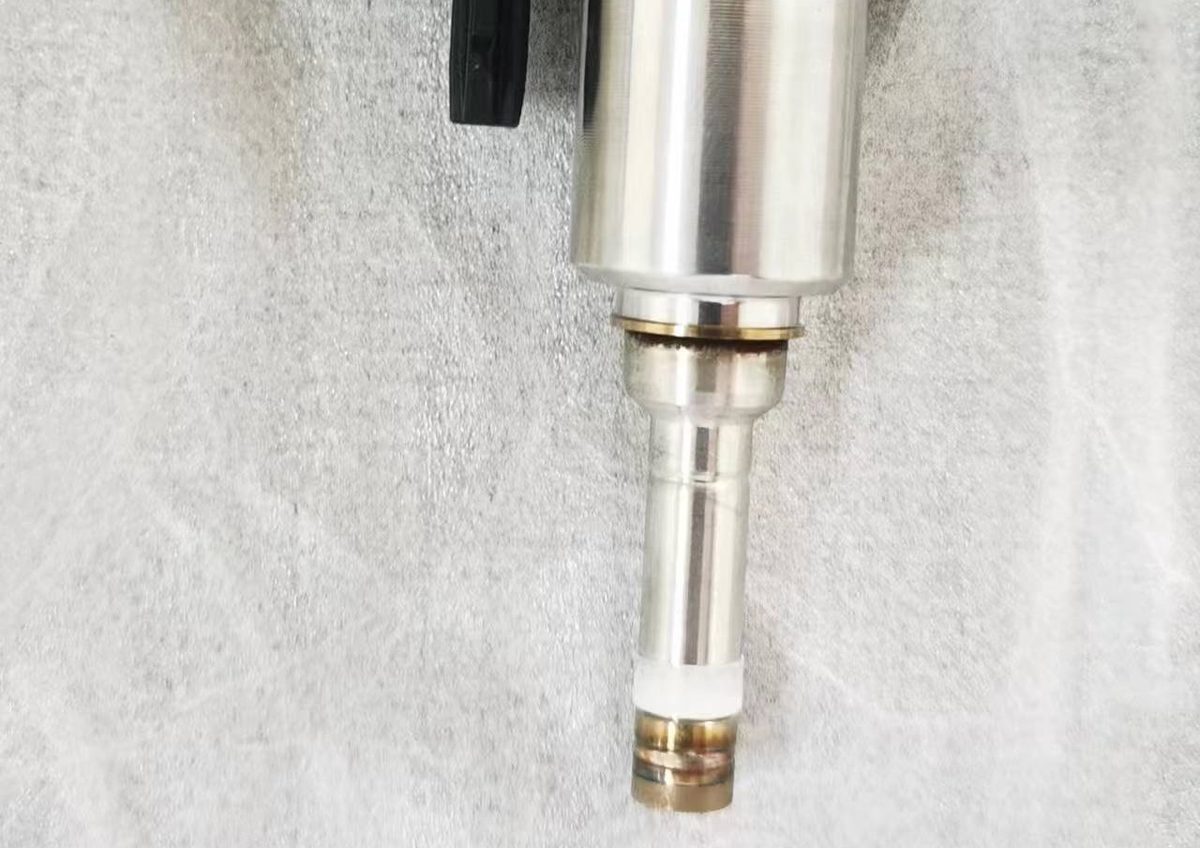
Injector deposits build gradually, especially on vehicles that make short trips, and the mileage and idle quality go with them. Service restores the spray pattern the engine was tuned for — a drivability fix you can feel in the first week.
Hesitation, Hard Starts, Falling Mileage
Fuel problems rarely arrive all at once — the hesitation gets a little worse, the starts a little longer, the mileage a little lower, and each step feels too small to book. Taken together, they are a system asking for service while the fix is still the inexpensive kind.
A vehicle that runs fine cold and falters warm, or the reverse, is giving diagnostic information for free. Mention exactly when it happens when you book — it genuinely narrows the search.
delivery falling behind demand — filter, pump, or injectors
fuel pressure is not there when the key turns
dirty injectors spray worse, and the engine pays for it
Hesitating or hard to start? Book a fuel system check → or call (270) 861-2003.
How Fuel Delivery Gets Tested Before Any Part Is Blamed
Fuel complaints get measured, not guessed at, and the sequence matters. First, fuel pressure is checked against the specification for your engine — at key-on, at idle, and under load — because a pump can make acceptable pressure sitting still and fall behind the moment the engine asks for real delivery climbing out of Glasgow toward Cave City. Volume gets checked alongside pressure: a system can show pressure and still not move enough fuel, and that distinction is the difference between a filter, a pump, and an electrical feed problem.
From there the evidence narrows the search. Pressure that bleeds down after shutdown points at an injector or a check valve letting fuel drain back, which is the classic long-crank morning start. One cylinder misbehaving while pressure holds steady points at a single injector's spray pattern rather than delivery as a whole. Scan data on fuel trim shows whether the computer has been quietly adding fuel to compensate — often the first written record of a system falling behind. Only after those readings does anyone talk parts, and the talk starts with the least expensive cause the evidence supports.
Farm Trucks, Spare Vehicles, and Fuel That Sat Too Long
Barren County runs plenty of vehicles that do not run every day — the farm truck that moves at hay time, the spare car at the edge of the driveway, the SUV that only makes weekend runs. Modern gasoline does not age gracefully in a vented tank: its lighter components evaporate, it absorbs moisture, and what is left can varnish injectors and leave deposits in a pump that sat submerged in it for months. The first start after a long sit is when the trouble announces itself — rough idle, hesitation, a vehicle that fires and dies.
The kinder pattern for a vehicle that sits is a fuller tank, which leaves less air space for moisture to condense from, and a real drive when it does run — long enough at operating temperature to matter, not a two-minute move across the yard. If a sitter has already gone stale-running, fuel service starts with what is in the tank and the filter before injectors get blamed for burning bad fuel. Left alone, varnish and moisture work deeper into the system, and a service visit turns into component replacement — the usual tax on waiting.
Ready to Roll? Let’s Get You on the Schedule.
Call the shop at (270) 861-2003 and we’ll line it up — or book online and we’ll confirm your time. Walk-ins are welcome Monday–Friday, 8:00 AM–5:00 PM.
Why does my vehicle hesitate worst going uphill?
Hills ask for maximum fuel delivery. A filter that is partly clogged or a pump that is getting weak can keep up on flat ground and fall behind on a grade, so the stumble shows up on the climb first. Pressure and volume testing under load finds which link is short.
My vehicle sat for months and now runs rough. Is it the fuel?
It is a strong suspect. Gasoline ages in the tank — it loses volatility and picks up moisture — and the deposits land in the filter and injectors. Start with the fuel and filter before condemning parts that may only be burning what the tank is serving them.
Is it my fuel pump or my filter?
The symptoms overlap almost perfectly — which is why pressure and delivery get tested before either is replaced. The test is cheaper than the wrong part.
Do fuel additives from a bottle do the same thing?
A bottle can help maintain an already-clean system; it does not substitute for service on injectors with real deposit buildup, and it does nothing for a clogged filter or a weak pump.
Why does running on empty hurt the fuel pump?
The pump sits in the fuel, which cools and lubricates it. Habitually running near empty runs it hotter and pulls from the dirtiest part of the tank. Keeping a quarter tank is cheap protection.
Where are you located?
1004 Happy Valley Rd, Glasgow, KY 42141 — about 15 minutes from I-65 Exit 53 in Cave City.