
Half Engine, Half Electric — All Vehicle
Hybrid service in Glasgow, KY — a hybrid is still a vehicle first: it has tires that wear, brakes that stop it, a 12-volt battery that starts its systems, fluids, filters, and a gasoline engine with a maintenance schedule. Most of what a hybrid needs across its life is the same work every vehicle needs, done by a shop that understands where the hybrid parts begin.
Some hybrid quirks surprise their owners. Brake pads can last far longer because regenerative braking does much of the slowing — but the brake hardware still needs inspection, because parts that move less can corrode more. The small 12-volt battery fails like any other and produces big, strange symptoms when it does — a hybrid that will not 'start' is often a 12-volt story, not a hybrid-battery story (see Battery & Electrical).
Tires matter more, not less: hybrids are heavy for their size and their torque arrives instantly, so wear patterns and rotations — on schedule — are how a set reaches its mileage. Low-rolling-resistance tire choices trade against grip and wear, and that is a conversation worth having at replacement time, not a default.
Hybrid-system warnings get read and diagnosed honestly (see Engine Diagnostics). If a fault points at a repair, you will hear what it is and what it involves — in plain language, with the same evidence-first approach as any other job here.
Warnings, Mileage Drops, and 12-Volt Gremlins
A fuel-mileage drop that arrives without a change in driving is a hybrid's quiet complaint — it can be tires, the gasoline engine's maintenance, or the hybrid system working around a problem. Warning lights specific to the hybrid system deserve the same prompt attention as a check engine light.
And the classic: a hybrid that behaves like it will not start at all, after sitting, is very often the small 12-volt battery — the cheapest battery on the vehicle causing the scariest symptom.
tires, engine maintenance, or a hybrid system compensating
read it promptly — the system is specific about what it records
very often the 12-volt battery, not the hybrid battery
Hybrid needs service? Book a hybrid visit → or call (270) 861-2003.
A Hybrid Has Two Cooling Loops — and Both Are on a Schedule
Most hybrid owners know the gasoline engine has coolant. Fewer know the hybrid system itself is liquid-cooled: the inverter that converts battery power for the electric motor runs hot under load, and on many models it circulates through its own separate coolant loop with its own reservoir and its own service interval in the owner's manual. Let that second loop go low or stale and the electronics it protects run hotter than they were built to — on the long grades between Glasgow and Bowling Green, where the motor and engine trade work back and forth, that loop earns its keep.
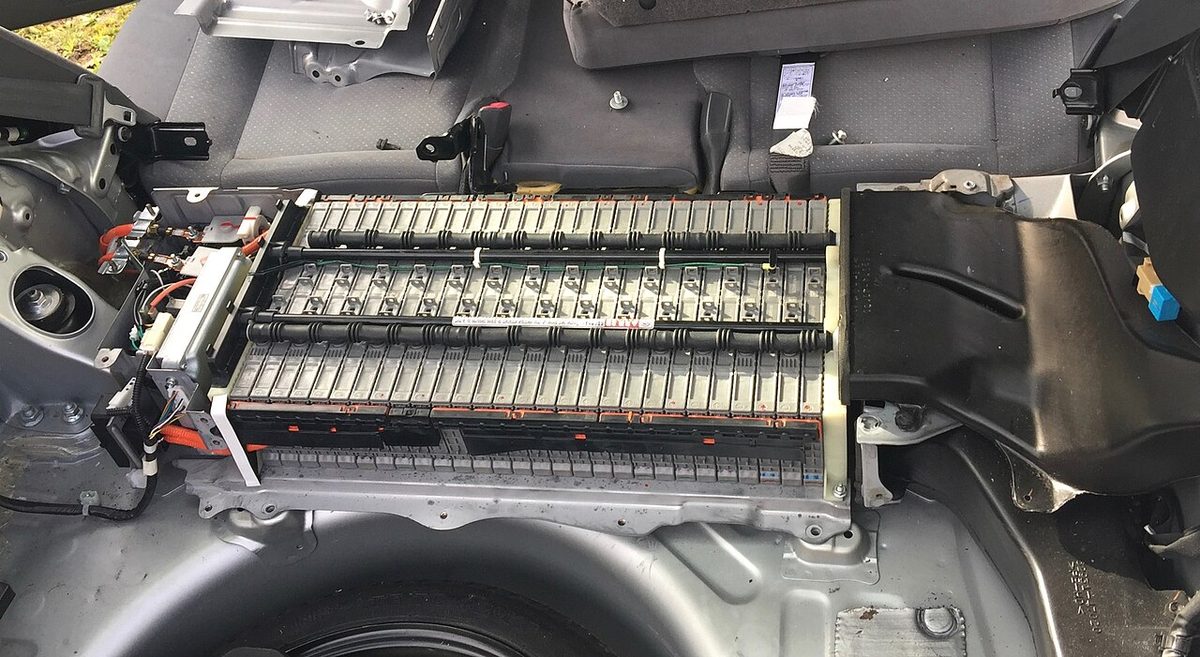
The hybrid battery has a cooling story too. Most packs breathe cabin air through a fan and a filter or intake screen, and that intake clogs with dust, pet hair, and farm-country grit exactly the way a cabin filter does. A pack that cannot breathe runs hot, works less, and shows up as falling mileage and a battery fan that suddenly seems loud. Checking the inverter coolant level and the battery cooling intake belongs on a hybrid's regular visit list, right alongside the engine's oil and filters — neither one announces itself until performance is already paying for it.
Stop-and-Go Engine Life: What Short Bursts Do to a Hybrid's Gas Engine
A hybrid's gasoline engine lives an unusual life. It shuts off at lights, restarts under way, and on a Glasgow in-town route of short hops it may never fully warm up before it stops again. Engines that run in short bursts build moisture in the oil that a long highway run would burn off, and spark plugs and filters age on a pattern that does not match the odometer the way a conventional car's does. That is exactly why hybrid oil and plug service follows the manufacturer's schedule by the book here instead of being stretched because the engine 'barely runs.'
The flip side shows up on the highway. At steady speed the gas engine does most of the work, so a hybrid that mostly commutes still needs its engine-side maintenance in full — air filter, plugs, coolant, and oil, all of it. When a hybrid comes in, ASE-certified techs work through both halves of the vehicle: the ordinary wear items every car has, plus the hybrid-specific checks above. Qualifying work carries the Tire Pros Nationwide Service Warranty, 24 months/24,000 miles, and we are at 1004 Happy Valley Rd, across from Don Franklin — walk-ins welcome Monday–Friday, 8:00 AM–5:00 PM.
Ready to Roll? Let’s Get You on the Schedule.
Call the shop at (270) 861-2003 and we’ll line it up — or book online and we’ll confirm your time. Walk-ins are welcome Monday–Friday, 8:00 AM–5:00 PM.
Does my hybrid's inverter coolant need service too?
On most models, yes — the inverter that powers the electric motor has its own coolant loop with its own interval in the owner's manual, separate from the engine's coolant. We check its level and condition as part of hybrid service and flag it when the schedule says it is due.
Why did my hybrid's mileage drop when nothing feels wrong?
Mileage is a hybrid's early-warning gauge. A clogged battery cooling intake, ordinary maintenance items like a dirty engine air filter, underinflated tires, or the gas engine working around a developing fault can all shave mileage before anything feels broken. It is worth a check while the cause is still small.
Is it safe for a regular shop to work around high-voltage parts?
The routine work a hybrid needs — tires, brakes, 12-volt battery, fluids, filters, engine service — does not involve opening the high-voltage system, and it is everyday work here. If a fault genuinely points into the hybrid system, you will hear exactly what it is and what it involves before anything proceeds.
Can a regular shop work on a hybrid?
For the great majority of what a hybrid needs — tires, brakes, alignment, 12-volt, fluids, filters, and the gasoline engine's maintenance — yes, and that work is routine here. Hybrid-system faults get diagnosed honestly and explained plainly.
Do hybrid brakes really last longer?
Often, yes — regenerative braking does much of the slowing. But the pads, rotors, and hardware still need periodic inspection; parts that move less can corrode, and brake fluid ages the same as any vehicle's.
My hybrid will not start. Is the hybrid battery dead?
More often it is the conventional 12-volt battery, which powers up the hybrid's systems. It is the first thing to test, and it is a far smaller job.
Where are you located?
1004 Happy Valley Rd, Glasgow, KY 42141 — about 15 minutes from I-65 Exit 53 in Cave City.